
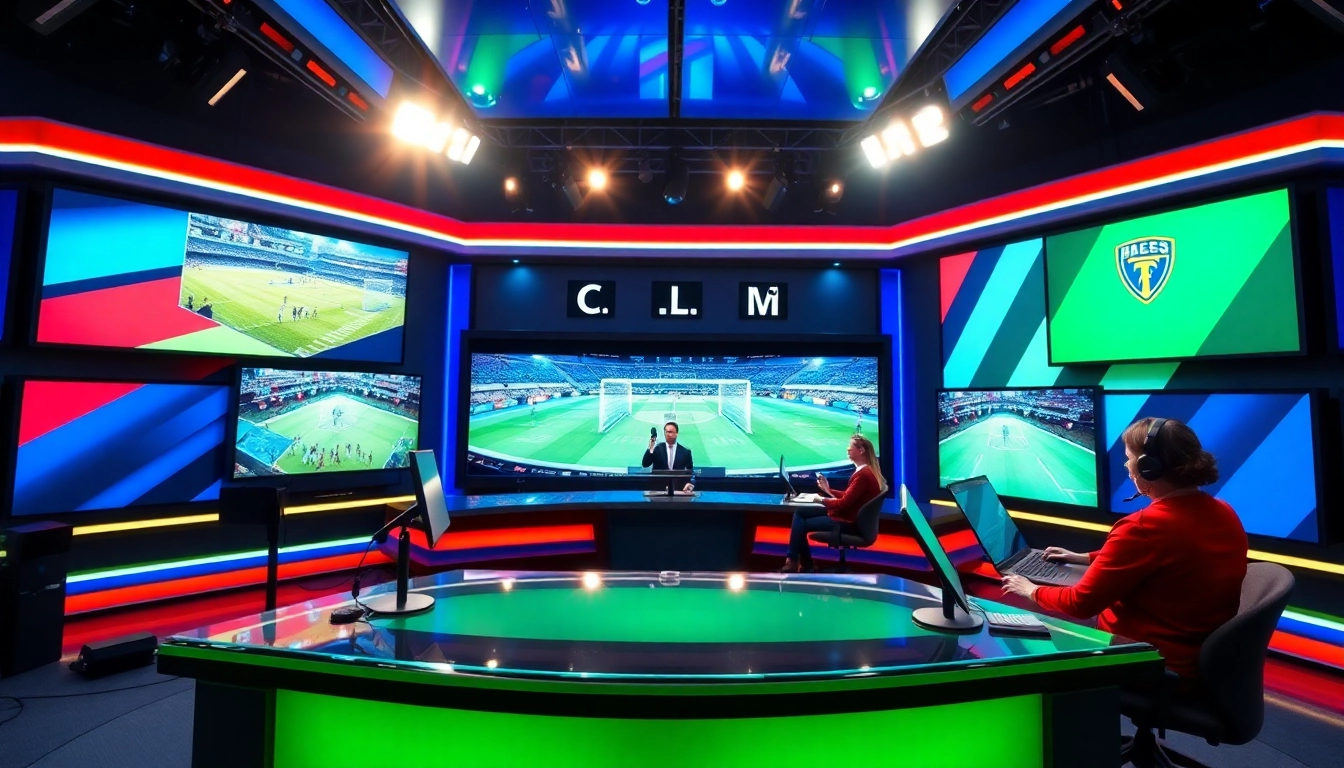
Understanding Sports Broadcasting
Definition and Importance of Sports Broadcasting
Sports broadcasting refers to the live transmission of sports events, highlights, and analysis through various media platforms, including television, radio, and online streaming services. It is an essential facet of the sports industry, serving as a conduit for fans to engage with their favorite events and teams. The significance of Sports Broadcasting extends beyond mere entertainment; it plays a crucial role in shaping the perception of sports, influencing how fans interact with athletes and teams, and generating substantial revenue through advertising and broadcasting rights.
History and Evolution of Sports Broadcasting
The genesis of sports broadcasting can be traced back to the early 20th century when radio broadcasts began providing updates and live commentary of sporting events. As technology evolved, television emerged as the dominant medium, with its capacity for visual storytelling changing the way audiences experienced sports. The first televised sports event occurred in 1936 during the Berlin Olympics, marking the inception of a new era.
Over the decades, advancements in technology, including color broadcasting, satellite communication, and more recently, digital streaming, have transformed sports broadcasting into a multi-dimensional experience. Today, high-definition and interactive formats further enhance viewer engagement, allowing fans a level of accessibility and interaction previously unimaginable.
Key Players in the Sports Broadcasting Industry
The sports broadcasting landscape is populated by various key players, including traditional networks, cable companies, and emerging streaming platforms. Major television networks have long dominated the space, providing live coverage and sports commentary. However, the rise of digital platforms has disrupted this traditional model.
Sports leagues themselves have also become significant players, often negotiating broadcasting rights directly with networks or streaming services. The involvement of tech companies has further diversified the industry, with giants such as Google and Amazon making significant strides in live sports broadcasting.
Types of Sports Broadcasting
Live Broadcasting: Techniques and Strategies
Live broadcasting has become the hallmark of sports broadcasting, delivering real-time action to audiences. Techniques in this realm include multi-camera setups, on-the-ground reporting, and immediate post-game analysis. Effective live sports broadcasting hinges on a seamless blend of technical skill and storytelling ability, with broadcasters needing to engage viewers while providing context to the action unfolding.
Strategies for effective live broadcasting involve ensuring robust production teamwork, utilizing social media for real-time viewer engagement, and prioritizing high-quality sound and visuals. The goal is to make the viewer feel as if they are part of the event, enhancing their overall experience.
Sports Analysis Shows and Their Impact
Sports analysis shows play a vital role in the sports broadcasting ecosystem, providing insights, opinions, and deeper dives into games and performances. These shows often feature expert commentators, former athletes, and statisticians who analyze key moments and average performances based on metrics and data, enhancing the viewer's understanding of the sport.
The impact of these programs extends beyond entertainment; they help cultivate a more knowledgeable fan base. By breaking down strategies and player performances, analysis shows contribute to broader discussions around game strategy, coaching decisions, and athletic performance.
Radio vs. Television in Sports Broadcasting
While radio has played a foundational role in sports broadcasting and remains popular for certain demographics, television has dominated as the preferred medium for viewing sports. The visual element provided by television not only showcases the action but also captures the emotions and atmosphere surrounding sporting events.
However, radio continues to offer unique advantages, particularly in offering live commentary where visual access is not possible and providing a platform for in-depth discussions. Many fans enjoy the traditional radio broadcasts during commutes or while engaging in other activities, highlighting both mediums' complementary nature within the sports broadcasting industry.
Technological Innovations in Sports Broadcasting
High-Definition and Ultra-HD Broadcasts
The transition to high-definition (HD) and ultra-high-definition (UHD) broadcasts has revolutionized viewer experiences. These advancements provide significantly enhanced picture clarity and detail, allowing fans to witness every aspect of the action in greater fidelity. As television technology continues to evolve, innovations such as 4K and HDR (High Dynamic Range) broadcasting offer even more immersive experiences for sports fans.
This technology not only elevates the viewer's experience but also creates opportunities for broadcasters to implement various camera angles and graphical overlays that enrich storytelling and analysis of games. Responding to consumer demand, sports networks have begun investing in the infrastructure necessary for delivering these high-quality viewing options.
Streaming Services and Their Role in Sports Broadcasting
Streaming services have emerged as game-changers in the realm of sports broadcasting, offering flexibility and accessibility that traditional television networks cannot match. Many fans prefer streaming platforms due to their ability to watch live events on a range of devices, from smartphones to tablets and smart TVs.
Furthermore, streaming services allow viewers to customize their viewing experience, such as choosing preferred commentary or rewatching specific plays. The rapid growth in this sector has compelled traditional broadcasters to adapt, with many now offering their own streaming options to retain audience share and expand their reach.
The Impact of Social Media on Sports Broadcasting
Social media platforms have shifted how sports broadcasting is consumed, providing fans immediate access to highlights, scores, and behind-the-scenes content. They serve as powerful tools for engagement, allowing broadcasters and sports organizations to interact with audiences in real-time.
The integration of social media into sports coverage enables broadcasters to respond to audience sentiment, creating a two-way dialogue that enriches viewer experiences. The immediacy of social media also drives further viewership—fans often share live moments, leading to increased audience engagement and broader reach online.
Audience Engagement in Sports Broadcasting
Leveraging Fan Interaction Through Live Polling
Live polling during sports broadcasts is an innovative technique that enhances audience engagement by allowing viewers to share their opinions and predictions. This can foster a sense of community among fans, who feel their voices are heard and valued. Polls can capture instant reactions to decisions made during games or solicit predictions for upcoming events.
Using analytics derived from these polls, broadcasters can tailor their content to better align with viewer interests and preferences, creating a more interactive and relatable viewing experience.
Enhancing Viewer Experience with Augmented Reality
Augmented reality (AR) is reshaping the viewer experience in sports broadcasting by allowing fans to engage with content in novel ways. Through AR, broadcasters can overlay graphics, stats, and player information directly onto the screen during live games, enhancing context and engagement without detracting from the live action.
This immersive technology transforms the viewing experience, allowing fans to visualize complex tactics or player movements in real-time, making the sport more accessible to audiences unfamiliar with its intricacies.
Building a Community Around Sports Broadcasting
Building a community around sports broadcasting involves creating platforms where fans can interact, share their thoughts, and connect with each other. Sports networks and broadcasters can utilize forums, social media groups, and apps to encourage fan interaction and camaraderie during live events.
Community engagement not only increases viewer loyalty but also drives user-generated content, allowing fans to contribute their insights, videos, and discussions, further enriching the sports broadcasting landscape.
Future Trends in Sports Broadcasting
The Rise of Virtual Reality in Sports Broadcasting
Virtual reality (VR) represents a frontier for the future of sports broadcasting, offering immersive experiences that allow fans to feel as if they’re in the stadium. This technology enables viewers to choose camera angles, interact with environments, and experience games from unique perspectives.
As VR technology becomes more accessible, sports enterprises are forging partnerships to develop innovative broadcasting formats that blur the lines between reality and virtual experience, potentially redefining how fans engage with sports.
Predictive Analytics and Sports Broadcasting
Predictive analytics in sports broadcasting is becoming increasingly notable, utilizing vast amounts of data to generate projections about player performances and game outcomes. This integration offers deeper insights into the sport, enriching broadcasts with more context and information.
As data tools and algorithms advance, broadcasters can provide in-depth statistical analysis, enhancing the viewing experience by allowing fans to understand the game's complexities through a data-driven lens.
Sustainability in Sports Broadcasting Practices
Sustainability is emerging as a vital consideration in sports broadcasting practices. Organizations and networks are focusing on reducing their carbon footprints through eco-friendly broadcasting techniques, particularly as global awareness of climate issues intensifies.
Measures such as utilizing green technology for broadcast setups and engaging in sustainable content practices resonate well with increasingly eco-conscious audiences. This commitment can enhance a broadcaster's brand, fostering loyalty among fans who value corporate social responsibility.
Frequently Asked Questions
What is the primary role of sports broadcasting?
The primary role of sports broadcasting is to deliver live sports events, analysis, and commentary to fans, enhancing their engagement and understanding of the sport.
How has technology changed sports broadcasting?
Technology has transformed sports broadcasting through high-definition broadcasts, streaming services, augmented reality, and improved engagement strategies, providing richer experiences for audiences.
What types of media are used in sports broadcasting?
Sports broadcasting utilizes various media, including television, radio, digital streaming platforms, and social media channels, each offering unique ways to engage viewers.
How do sports analysis shows impact viewers?
Sports analysis shows provide in-depth insights, expert opinions, and statistical breakdowns, helping viewers understand games better and fostering a more informed fan experience.
What are future trends in sports broadcasting?
Future trends in sports broadcasting include increased use of virtual reality, predictive analytics, and sustainable practices, as the industry continues to evolve toward greater audience engagement.